


What is Self-Compassion - and how to bring it into your life.
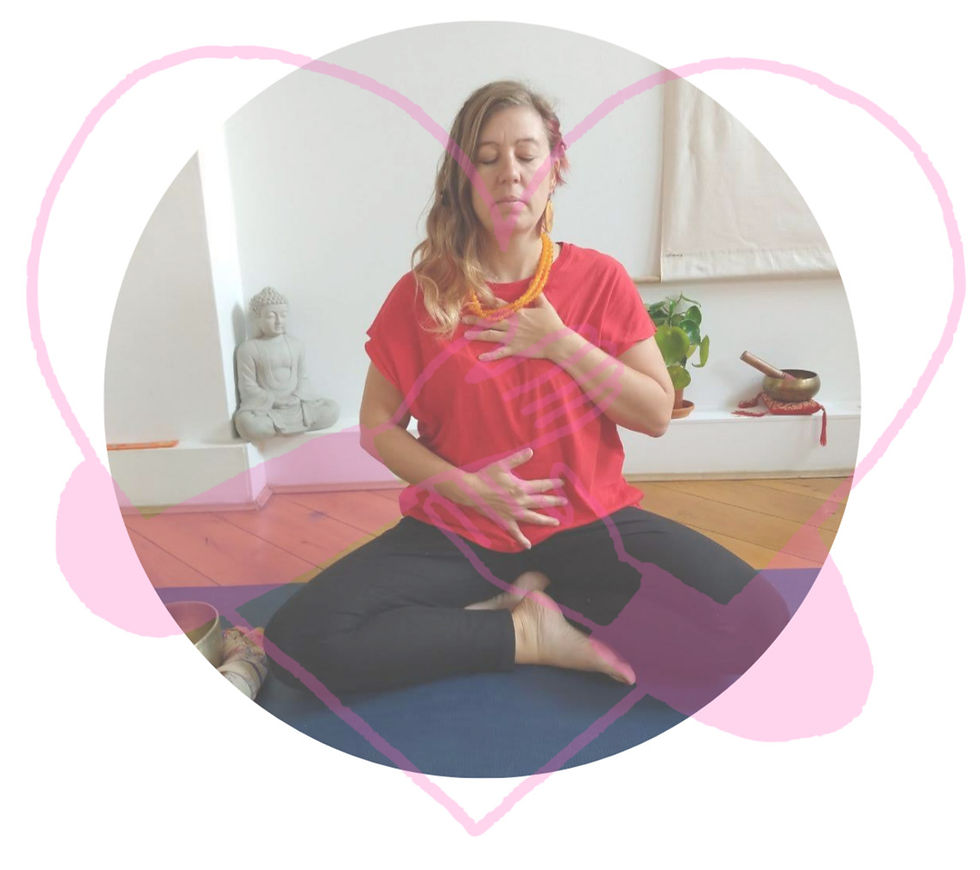
I recently attended a meditation morning with reflections on self-compassion. I was struck by how important this practice is and how it can radically change our relationship with ourselves.
In my classes, I often witness how hard people can be on themselves—judging their bodies if they can’t “do” a posture, or feeling frustrated, disappointed, or even resentful toward parts of the body that feel uncomfortable or painful.
I encourage gentle listening to your body, doing less if something feels painful, and doing more of what feels kind. Also, exploring self-compassion through simple practices such as thanking yourself at the end of class - for turning up, for spending time to resource yourself. Like anything else, the more we practice, the more natural it feels. Over time, it becomes a healthy habit—and eventually, simply the way we move through life.
What is self-compassion?
The meditation morning drew on the teachings of Dr Kirsten Neff - you can find her work here: https://self-compassion.org/. I really appreciate the way she explains self-compassion with these 3 pillars:
1. Self-kindness vs. self-judgment.
Self-compassion means responding to our pain and imperfections with warmth and support rather than criticism. By treating ourselves with the same care we would offer to a friend, we create a sense of inner safety that helps us cope more effectively and make positive changes.
2. Common humanity vs isolation.
Self-compassion recognises that suffering and imperfection are universal parts of being human. When we remember that we are not alone in our struggles, our shame loosens, and our pain becomes a point of connection rather than separation.
3. Mindfulness vs over-identification
Self-compassion involves meeting our suffering with balanced awareness - neither ignoring it nor becoming consumed by it. Mindfulness helps us accept our experience as it is, without being overwhelmed by difficult thoughts and emotions.
How can we practice self-compassion?
Thinking about how we can change can feel quite daunting. If we start small, bring new habits into our day slowly, and pay attention to the effects, then change becomes manageable, even enjoyable. If we feel a beneficial effect, we are encouraged to do more. Here are some ideas to bring self-compassion into your life:
Change the tone of your inner voice. When you notice self-criticism arise, pause and ask, How would I speak to a close friend in this moment? Let your inner response match that tone - supportive, honest, and kind.
Gentle movement. Notice what is happening in your body, be with the sensation rather than push it away, or get angry, or feel bad about it. Try not to get caught up in any story around it. We tell ourselves stories all the time, that’s natural, but we can also bring our mind into the present moment and, by doing so, we give less energy to the stories that don’t help us, and more to our living presence, here and now.
Name the experience without the story. Simply acknowledge what’s happening: This is hard, I feel overwhelmed, I’m disappointed. Naming the experience without adding judgment - or a story that takes us away from the present - creates space and steadiness.
Meditation. Giving yourself time and space to allow a greater perspective to develop.
Place a hand on your body. A simple physical gesture - hand on the heart, belly, or chest - can signal safety to the nervous system and reinforce a compassionate response in moments of distress.
Remember your shared humanity. When you’re struggling, gently remind yourself: "Others feel this too."
Allow compassion to include boundaries. Self-compassion doesn’t mean saying yes to everything; it means honouring your limits with respect. Practice noticing where kindness toward yourself might also mean rest, space, or saying no.
Practice in small moments. You don’t need to wait for a crisis. Offer yourself compassion in everyday frustrations, missed deadlines, awkward conversations, and moments of self-doubt. Small repetitions matter.
Self-compassion is not a technique we perfect but a relationship we slowly build with ourselves. It asks us to notice our pain without judgment, to remember that we are not alone in it, and to respond with the same care we would offer someone we love. Over time, this gentle shift changes our inner world. We can live with more clarity, resilience, and kindness, rather than fear, anxiety, holding, or restriction. When we practice self-compassion, we are not avoiding life’s difficulties; we are learning how to meet them without abandoning ourselves.
Did you try any of the practices above? How did you find them? - I'd love to know.
Self- compassion is the theme of my next Restorative Workshop on 17th January 2026, 2.30-4.30pm. Come along and explore deep rest, where we practice giving ourselves space, time, and kindness, in a way that helps us create the deep change most of us need.
I hope to see you soon, Tammy x


Comments